
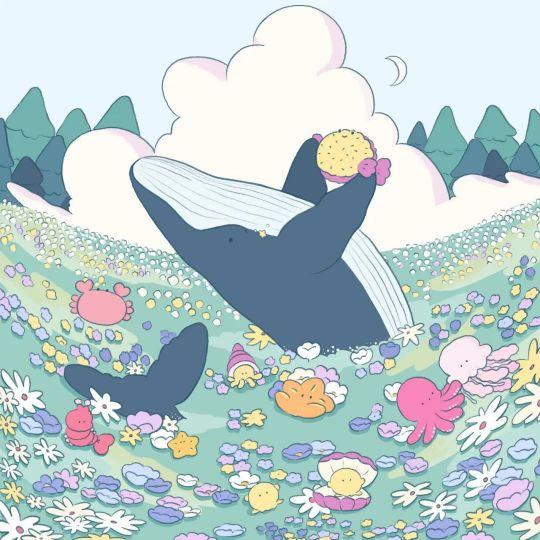

watercolor painting is not only a beautiful art form but also a great way to express creativity. Whether you're a novice or an experienced artist, learning how to create stunning watercolor landscapes can be both fun and rewarding. In this tutorial, we'll guide you through the process of painting a serene mountain scene in watercolor. Let's get started!
Step 1: Gather Your Tools and Materials
Before you begin, make sure you have everything you need. You'll need:
A sketchbook for planning your composition
A watercolor paint set
A highquality sketching pencil
A paintbrush
A palette knife (optional)
A paper towel or clean cloth
Choose your watercolor paints carefully. Opt for artistgrade paints with good pigment concentration and watersoluble medium. This will allow you to create soft, flowing colors without the risk of bleeding.
Step 2: Plan Your Composition
Sketching is an essential part of the watercolor painting process. Start by drawing a rough sketch of your scene on your sketchbook. Think about the elements you want to include, such as mountains, trees, water, and the sky.
For a mountain scene, you can draw a distant mountain range in the background, a couple of peaks in the foreground, and a calm lake or pond in the middle. Add some clouds in the sky to give it depth and atmosphere.
Make sure your sketch is balanced. The foreground should be more detailed, while the background can be simpler but still atmospheric. Pay attention to the light source and how it can create highlights and shadows.
Step 3: Prepare the Paper
Carefully place your sketch on the paper and cover it with a thin layer of water. This will help the paint adhere to the paper and create a watersolvent effect for blending colors.
Using your brush or palette knife, dab small dots of watercolor paint on your palette. Start with lighter colors for the sky and darker, richer colors for the mountains and water. Avoid mixing colors directly on the palette; instead, use a clean brush to mix them on the paper.
Once you have your color swatches, place them on your paper and press down gently. The paint will adhere to the water and blend together, creating beautiful gradients.
Step 4: Paint the Background
With your sketch in place, start painting the background. Begin with the sky, using light, pastel colors like blue and green to create a sense of depth and calmness.
Work in small sections, blending the colors together to create a soft gradient. Make sure the water in the background is outlined with a thin line of paint to define it from the sky.
Once the background is dry, move on to the foreground. Paint the mountains first, using darker and richer colors to give it a solid structure. Add details like trees and perhaps a lone figure or animal to bring the scene to life.
Pay attention to the light source. Use a soft brush stroke to create highlights on the mountains and trees. This will add depth and dimension to your scene.
Step 5: Paint the Details
With the mountains painted, move on to the trees and any other details in your sketch. Use lighter colors for the trees and flowers to create contrast with the darker background.
Pay attention to the shadows and how they can add realism to your scene. Use a fine brush to add texture and detail to the trees and any small objects.
Once you're satisfied with the details, move on to the water in the foreground. Use a lighter color like bluegreen to create a calm and serene atmosphere.
Step 6: Add the Final Touches
Once the entire painting is dry, you can add some final touches. Use a clean brush to blend any gaps between the colors or to add more details to your scene.
You can also add some texture to the mountains using a dotted brushstrokes or by applying a bit of paste to create small imperfections, which can give your painting a more natural look.
Finally, take a step back and admire your work. Make sure the composition is balanced and the colors are harmonious. If needed, you can go over any details with a fine brush to perfect the painting.
Additional Tips
Watercolor painting requires patience and practice. Don't be afraid to experiment with different techniques and color combinations. The most important thing is to enjoy the creative process.
Remember to use highquality watercolor paints and tools for the best results. With time and practice, you'll become more confident in your ability to create beautiful watercolor landscapes.
Happy painting! And don't forget to share your creations with us in the comments section below.
